MATCHA SCHOOL Vol.1
The Roots of Matcha Culture:
Sen no Rikyu and the Humble Spirit of Wabicha
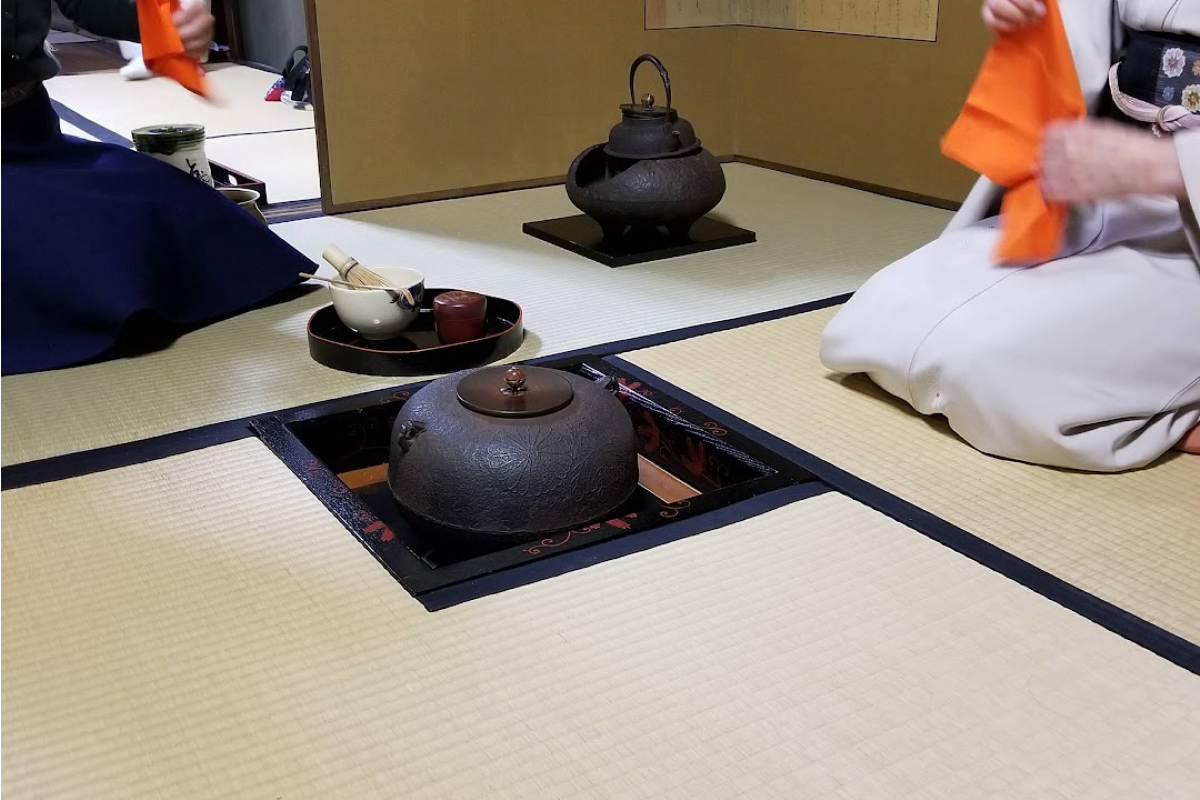
To understand matcha, one must look to Japan. While powdered tea flourished in Tang and Song dynasty China, Japan became synonymous with matcha through the philosophy of 'Wabicha(侘茶)', established by tea master Sen no Rikyu (1522–1591).
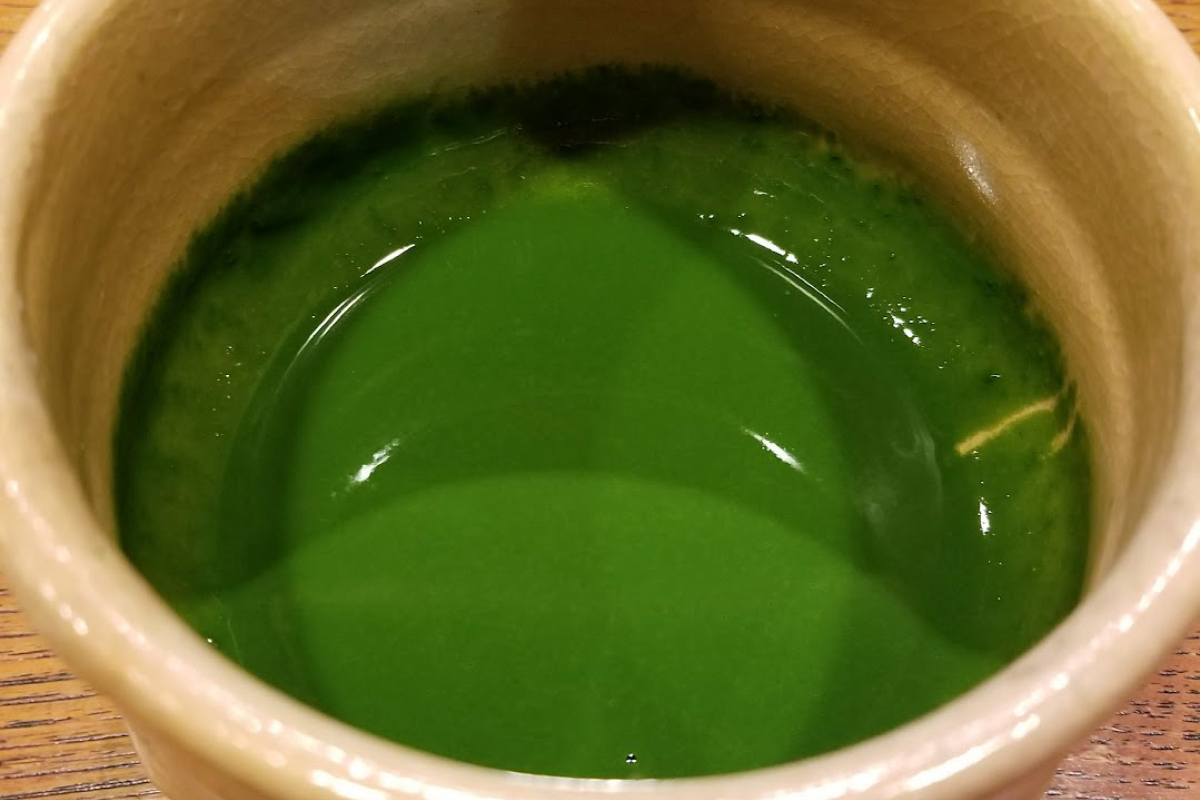
Wabicha stripped away ostentation and authority, seeking the true essence of tea through rustic imperfection. From tearooms accommodating just five guests to rough, hand-pinched teabowls made without a potter's wheel, it was a philosophical movement dedicated to human equality and mindful presence.
"Boiling water and whisking tea,"
The Four Core Principles of Wabicha
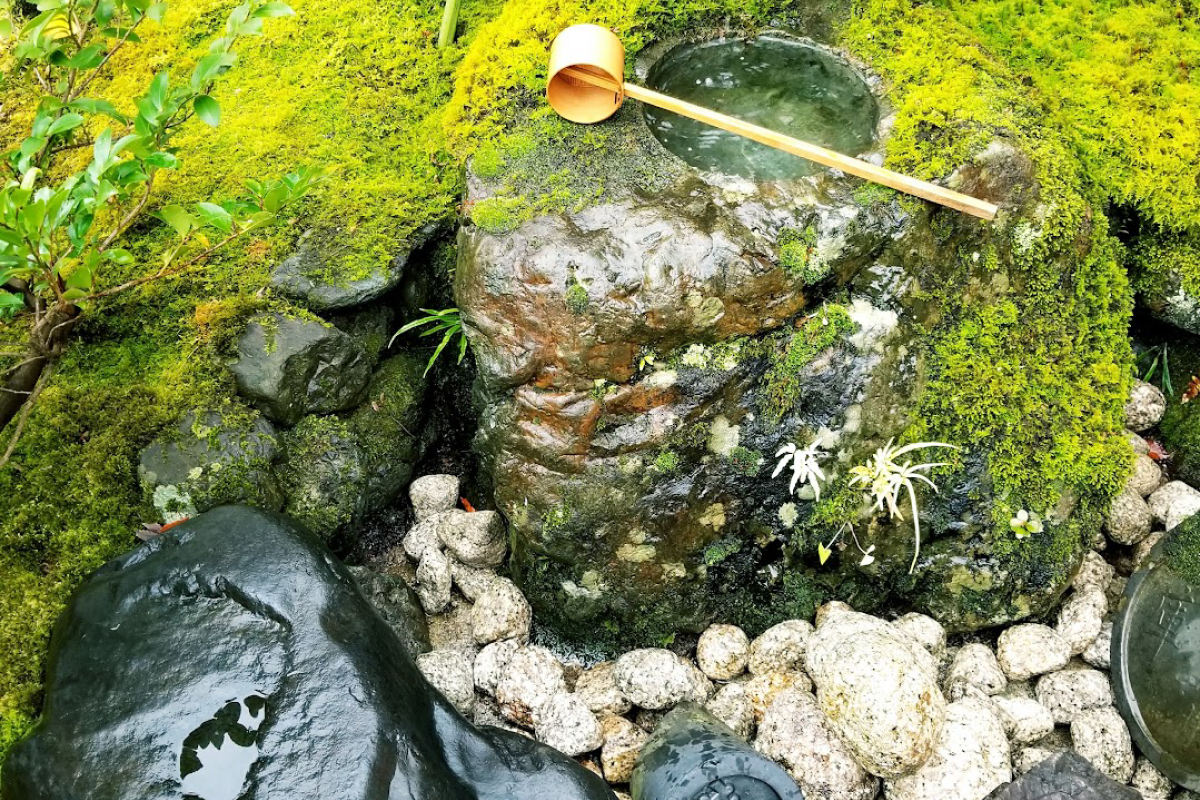
1. Knowing Contentment (Chisoku, 知足)
"A roof that keeps out the rain and food that staves off hunger are enough." Rikyu viewed material scarcity not as lack, but as an opportunity to sharpen awareness.
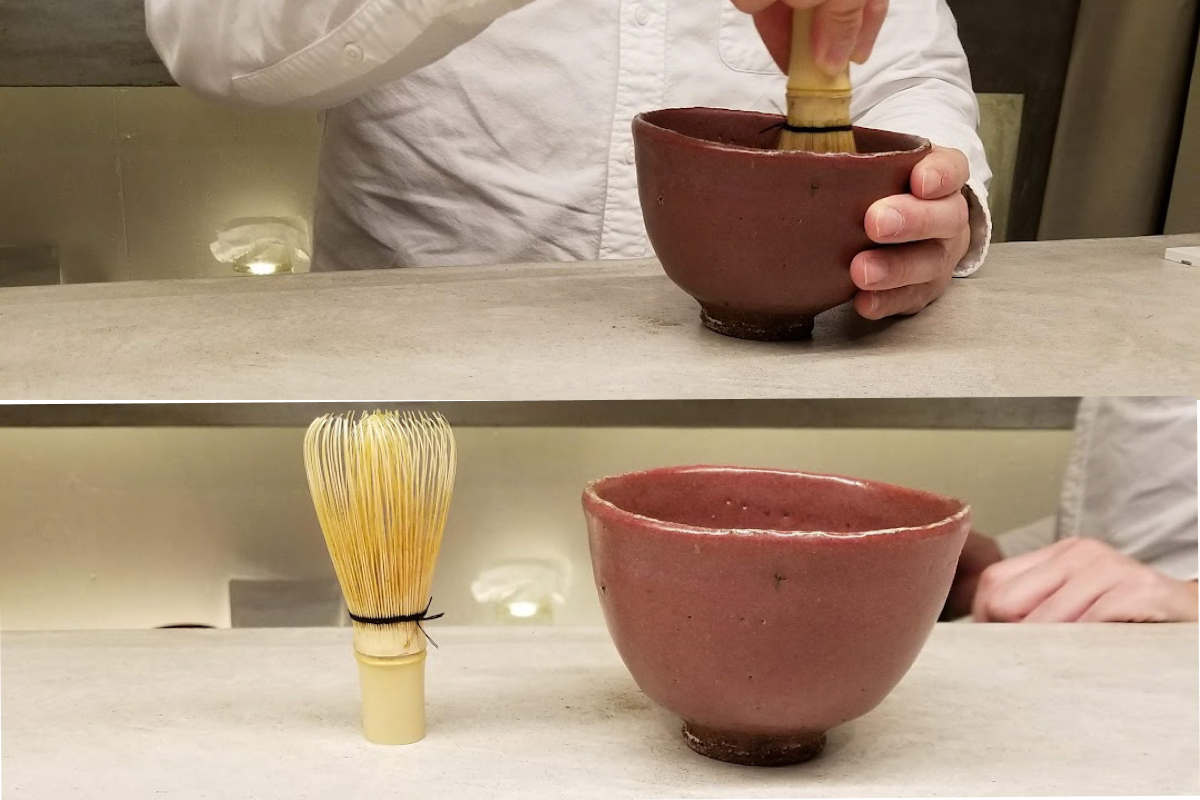
2. Raku Ware (樂燒) and Rustic Utensils
Moving away from Chinese symmetry and lustrous glazes, Rikyu crafted black Raku teabowls by hand. The rough, earthy texture and warmth felt directly in one's palms became the enduring icon of Wabicha.
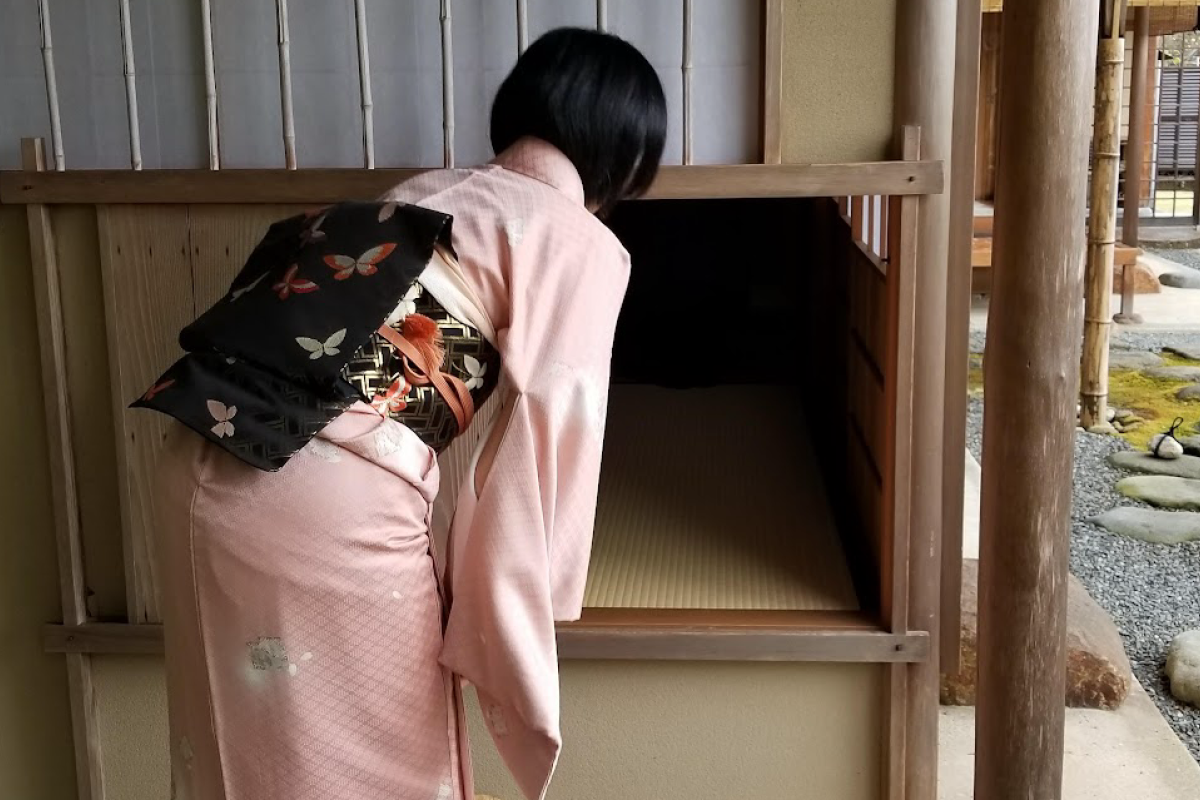
3. Thatched Tearooms and the Crawl-in Entrance (Nijiriguchi, 躙口)
Tearooms were condensed into modest spaces of just three tatami mats. The crawl-in entrance, measuring only 60 to 70 centimeters, forced even high-ranking samurai to leave their swords outside and enter on their knees, declaring absolute equality inside.
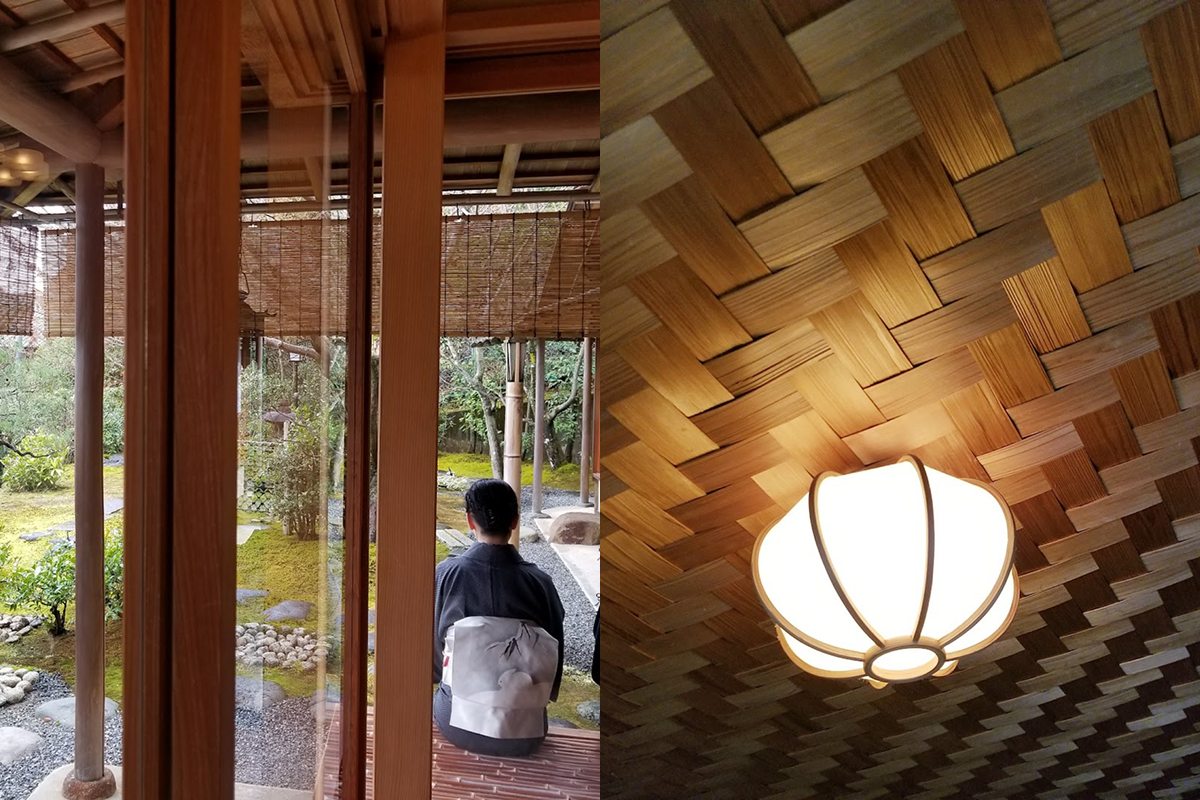
4. Harmony, Respect, Purity, and Tranquility (Wa-Kei-Sei-Jaku, 和敬淸寂)
Harmony with nature and people (和), sincere reverence for others and utensils (敬), purity of mind and space (淸), and the profound stillness that follows releasing desire (寂). It transformed a simple bowl of tea into a sacred encounter that happens only once in a lifetime (Ichigo Ichie, 一期一會).
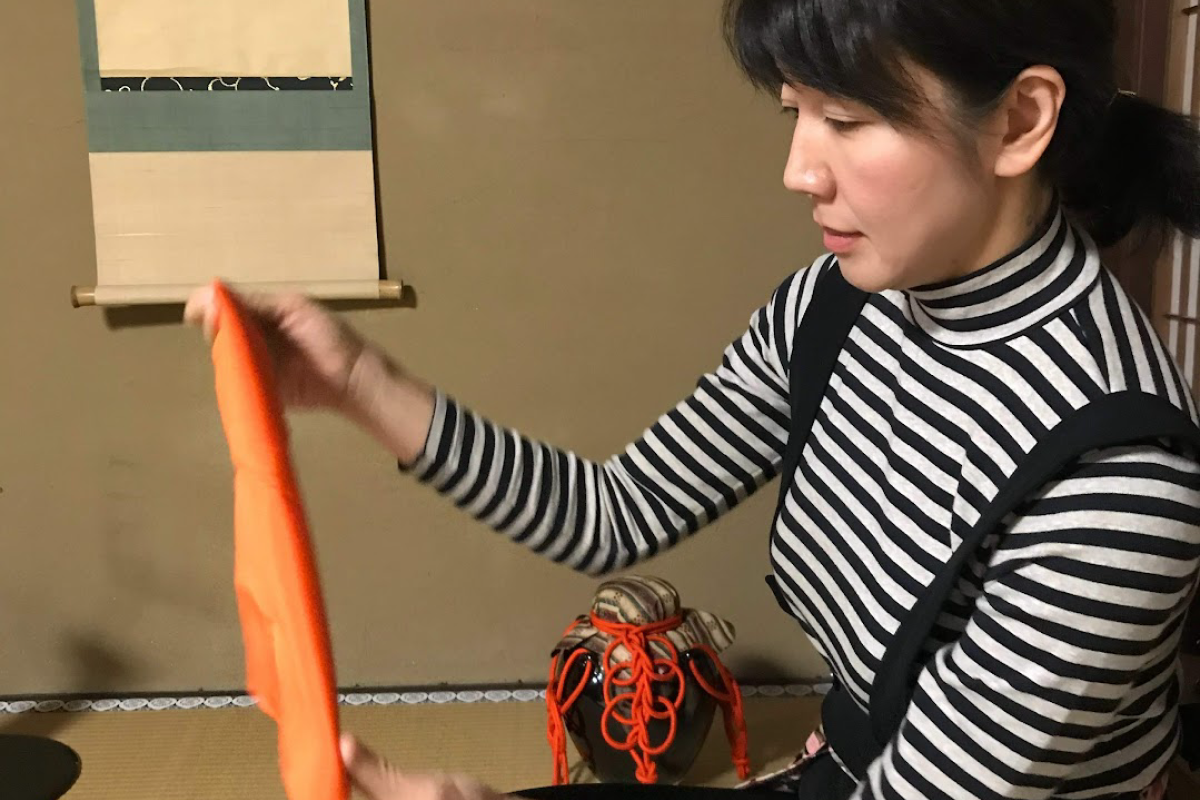
Matcha Note : Kyoto Memories
Memory : Living and learning tea for 100 days at Sensei Chi's home in Kyoto.
Philosophy : Shedding prestige and finding equality and stillness within imperfection.
Essence : Being fully present in the simple act of boiling water and sharing tea.
September 2026, MORU MATCHA School




MATCHA SCHOOL Vol.1
The Roots of Matcha Culture:
Sen no Rikyu and the Humble Spirit of Wabicha
To understand matcha, one must look to Japan. While powdered tea flourished in Tang and Song dynasty China, Japan became synonymous with matcha through the philosophy of 'Wabicha(侘茶)', established by tea master Sen no Rikyu (1522–1591).
Wabicha stripped away ostentation and authority, seeking the true essence of tea through rustic imperfection. From tearooms accommodating just five guests to rough, hand-pinched teabowls made without a potter's wheel, it was a philosophical movement dedicated to human equality and mindful presence.
"Boiling water and whisking tea,"
The Four Core Principles of Wabicha
1. Knowing Contentment (Chisoku, 知足)
"A roof that keeps out the rain and food that staves off hunger are enough." Rikyu viewed material scarcity not as lack, but as an opportunity to sharpen awareness.
2. Raku Ware (樂燒) and Rustic Utensils
Moving away from Chinese symmetry and lustrous glazes, Rikyu crafted black Raku teabowls by hand. The rough, earthy texture and warmth felt directly in one's palms became the enduring icon of Wabicha.
3. Thatched Tearooms and the Crawl-in Entrance (Nijiriguchi, 躙口)
Tearooms were condensed into modest spaces of just three tatami mats. The crawl-in entrance, measuring only 60 to 70 centimeters, forced even high-ranking samurai to leave their swords outside and enter on their knees, declaring absolute equality inside.
4. Harmony, Respect, Purity, and Tranquility (Wa-Kei-Sei-Jaku, 和敬淸寂)
Harmony with nature and people (和), sincere reverence for others and utensils (敬), purity of mind and space (淸), and the profound stillness that follows releasing desire (寂). It transformed a simple bowl of tea into a sacred encounter that happens only once in a lifetime (Ichigo Ichie, 一期一會).
Matcha Note : Kyoto Memories
Memory : Living and learning tea for 100 days at Sensei Chi's home in Kyoto.
Philosophy : Shedding prestige and finding equality and stillness within imperfection.
Essence : Being fully present in the simple act of boiling water and sharing tea.
September 2026, MORU MATCHA School