ZEN TEA JOURNEY Vol.5
May — Baengnyeonsa, Gangjin:
A Path Where Dasan's Promise Flows
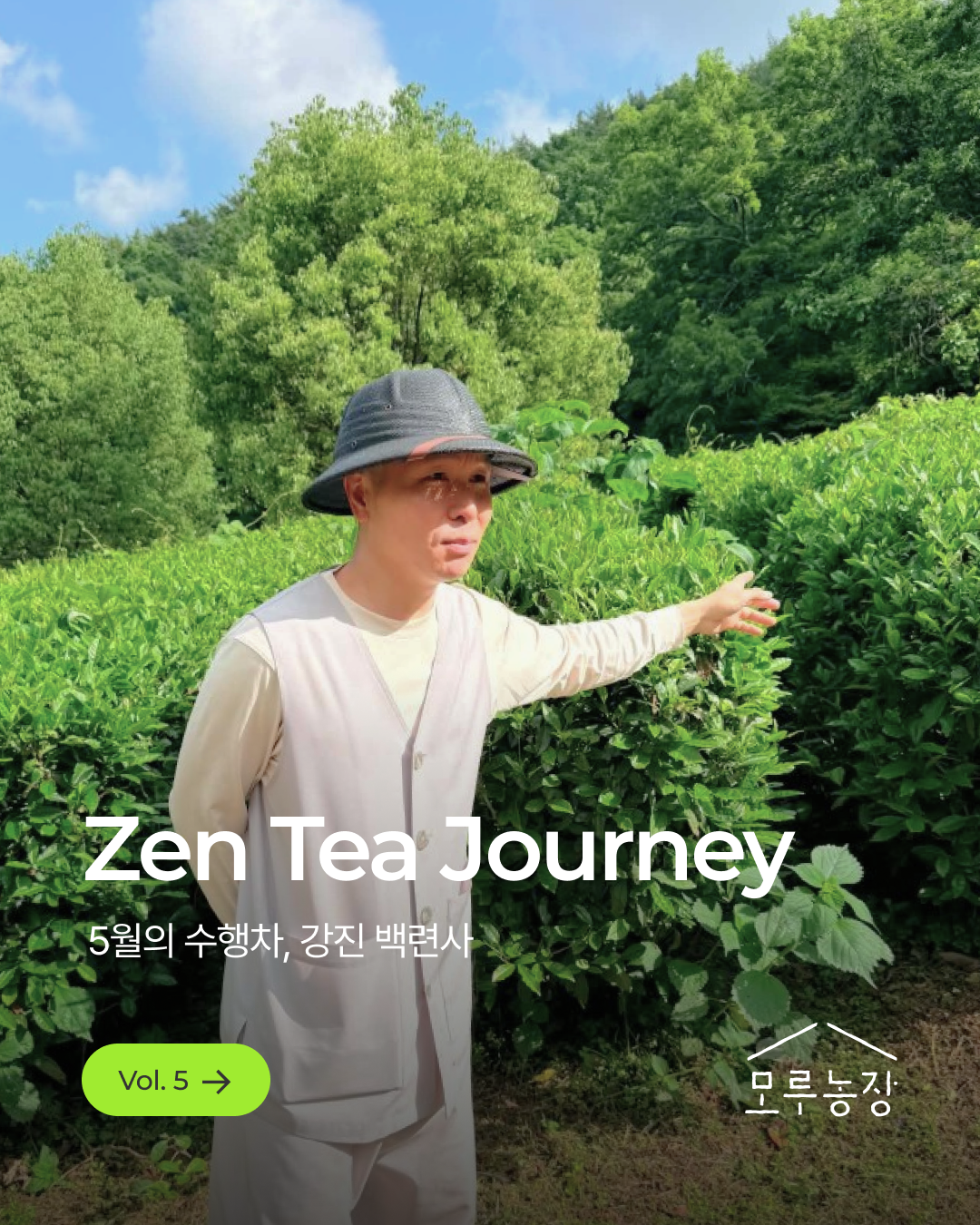
Over two hundred years ago, the great scholar Dasan Jeong Yak-yong learned the way of tea from the head monk of Baengnyeonsa.
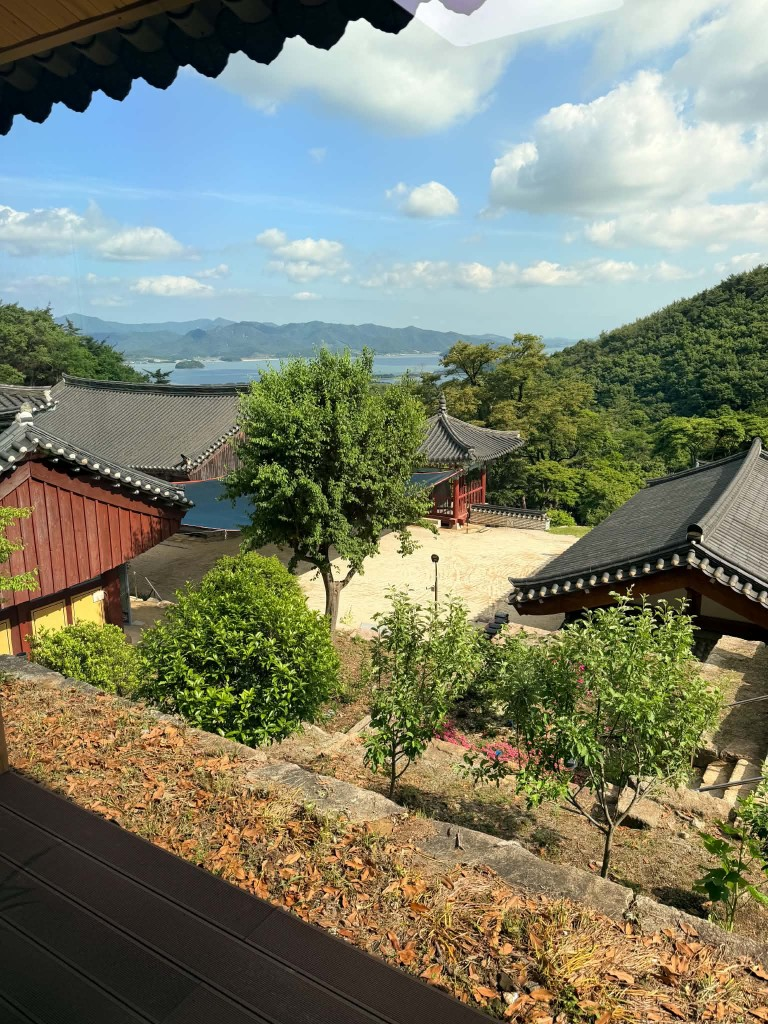
Beyond the camellia forest trail, he built a small hermitage on the mountainside and began the most prolific period of writing in Joseon history.
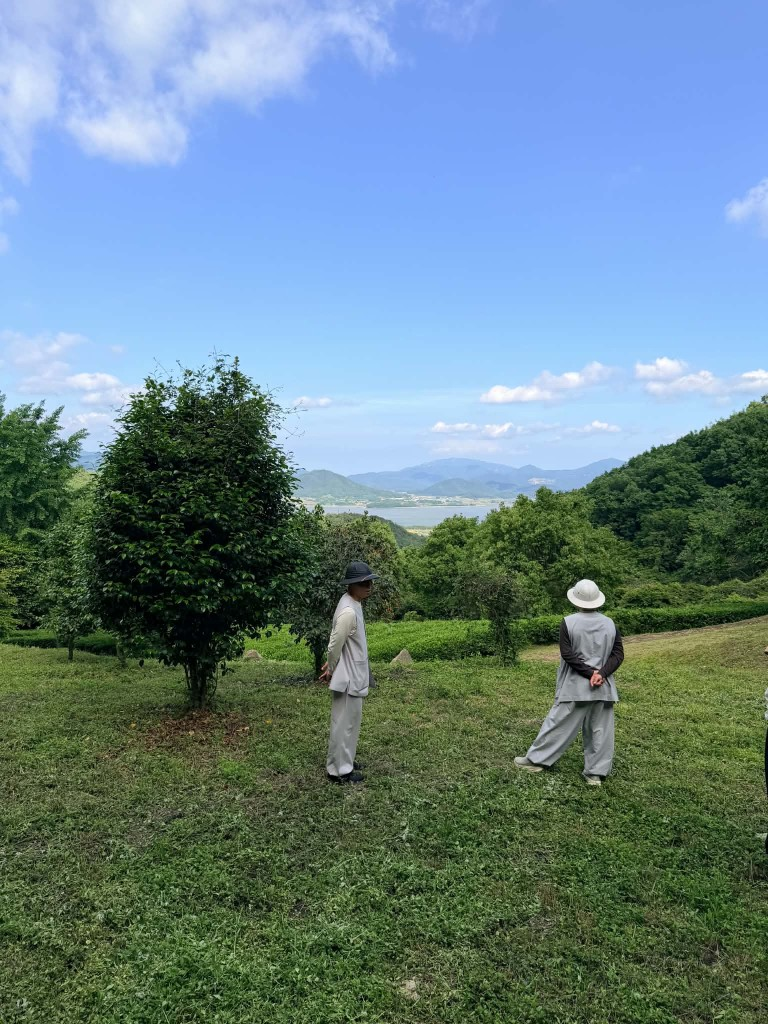
The gentle hill between Baengnyeonsa and Dasan’s hermitage—a camellia grove cradling wild tea trees—came to be known as Dasan, the Tea Mountain. This is where Baengnyeonsa’s legacy as a sacred site of Korean tea began.
Years of Meditative Ritual,
The Roots of Korean Tea Embraced by the Camellia Forest
Today, two monks still reside at Baengnyeonsa—both have been making tea since they were young novices. Every early spring, behind closed doors and before a blazing fire, they repeat the meditative ritual of tea-making, as they have done year after year.
For the past four years, they have also been clearing the kudzu vines around the camellia forest, patiently bringing long-hidden tea trees back into the light.
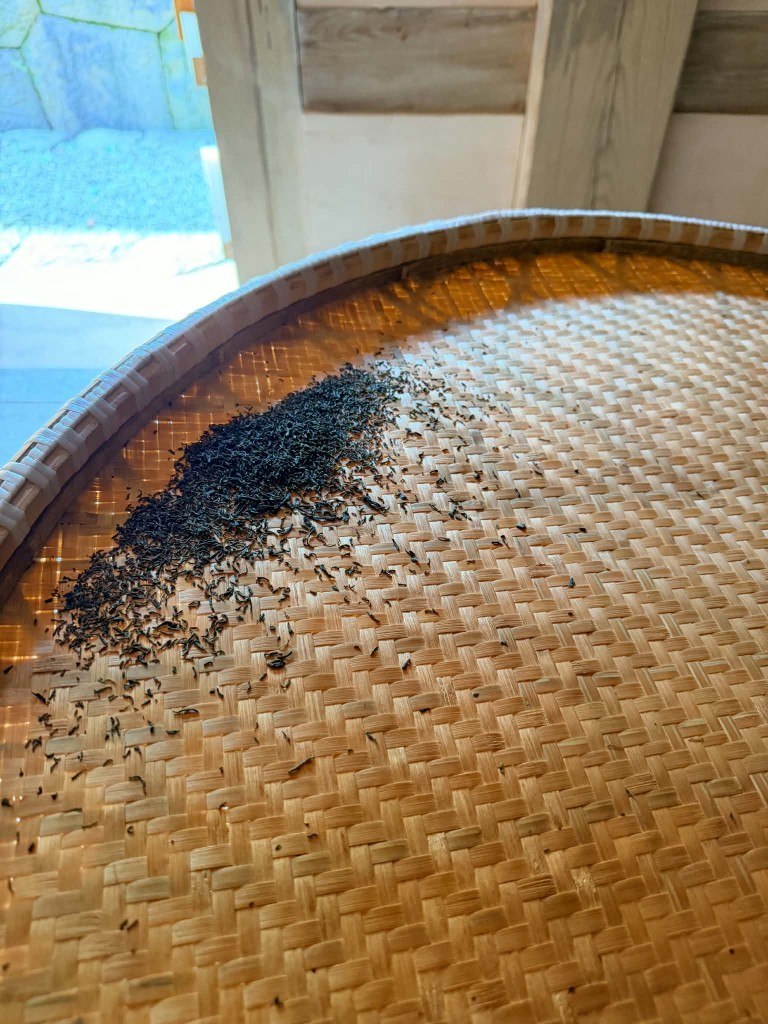
With the camellia forest at your back and the southernmost sea stretching into the distance, the tea room of this mountain temple may well be the most beautiful place in all of Korea. This is the beauty of Korean tea.
Zen Tea Note : Baengnyeonsa
Location : Baengnyeonsa Temple and the forest path to Dasan Chodang in Gangjin.
History : Tracing the intellectual bond between Dasan Jeong Yak-yong and Ven. Hyejang, alongside the faithful legacy of Dasingye.
Value : Honoring the spirit of traditional wild tea by patiently clearing vines around the historic camellia groves.
May 2026, Record of Moru Farm Zen Tea Journey




ZEN TEA JOURNEY Vol.5
May — Baengnyeonsa, Gangjin:
A Path Where Dasan's Promise Flows
Over two hundred years ago, the great scholar Dasan Jeong Yak-yong learned the way of tea from the head monk of Baengnyeonsa.
Beyond the camellia forest trail, he built a small hermitage on the mountainside and began the most prolific period of writing in Joseon history.
The gentle hill between Baengnyeonsa and Dasan’s hermitage—a camellia grove cradling wild tea trees—came to be known as Dasan, the Tea Mountain. This is where Baengnyeonsa’s legacy as a sacred site of Korean tea began.
Years of Meditative Ritual,
The Roots of Korean Tea Embraced by the Camellia Forest
Today, two monks still reside at Baengnyeonsa—both have been making tea since they were young novices. Every early spring, behind closed doors and before a blazing fire, they repeat the meditative ritual of tea-making, as they have done year after year.
For the past four years, they have also been clearing the kudzu vines around the camellia forest, patiently bringing long-hidden tea trees back into the light.
With the camellia forest at your back and the southernmost sea stretching into the distance, the tea room of this mountain temple may well be the most beautiful place in all of Korea. This is the beauty of Korean tea.
Zen Tea Note : Baengnyeonsa
Location : Baengnyeonsa Temple and the forest path to Dasan Chodang in Gangjin.
History : Tracing the intellectual bond between Dasan Jeong Yak-yong and Ven. Hyejang, alongside the faithful legacy of Dasingye.
Value : Honoring the spirit of traditional wild tea by patiently clearing vines around the historic camellia groves.
May 2026, Record of Moru Farm Zen Tea Journey